
MARCH 2026 AIR: Sara Sowell

Hey Sara! Great to have you in the lab. Talk to us about the process of capturing and creating these film pieces.
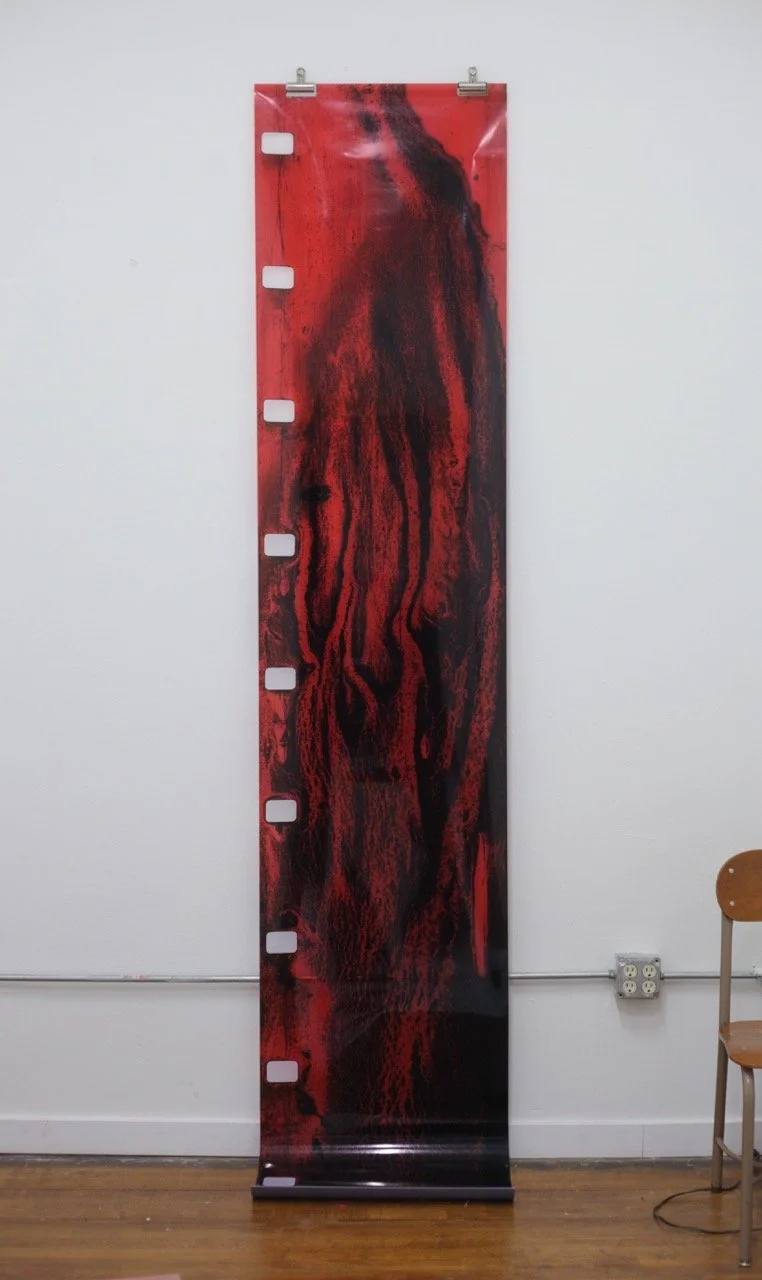
I wanted to make objects, or emphasize the plastic objectness of film. The earliest tests for the Film Prints began from an impulse to scale up my hand-developed 16mm motion-picture film strips as large as possible. Enlarging them was a funny idea to me, and allows me to create these interesting compositions in different capacities that are pretty infinite.
The original 16mm film strips in this first series are made up of various tests from my home darkroom, accumulated over several years. They include failures in shooting, developing, and printing, as well as painted gestures that, when projected, pass by too quickly to fully register. Filmmakers are constantly making thousands of images at a time and I want people to encounter these as sustained visual experiences.
How have you developed this object based visual language as it relates to film?
My sense of language for this is still evolving because it is about constantly challenging cinematic dialects. 16mm film is an object in itself, and I approach developing and editing film as a sculptural process. This is especially true in my expanded cinematic projects and projector performances – time, language and sound are material experiences that are additive or reductive to the perception of the work.
During my residency at Latitude, I’m interested in adopting more traditional display methods associated with photography and painting to reconstruct my films in physical space. This shift is exciting because I’m figuring out how the work can exist independently of my live operation of machines, while still maintaining an element of projection as a material experience.
I am struck by the scale of your work. Can you talk about the impact that the size of film prints and how that affects the viewer and the space it’s in?
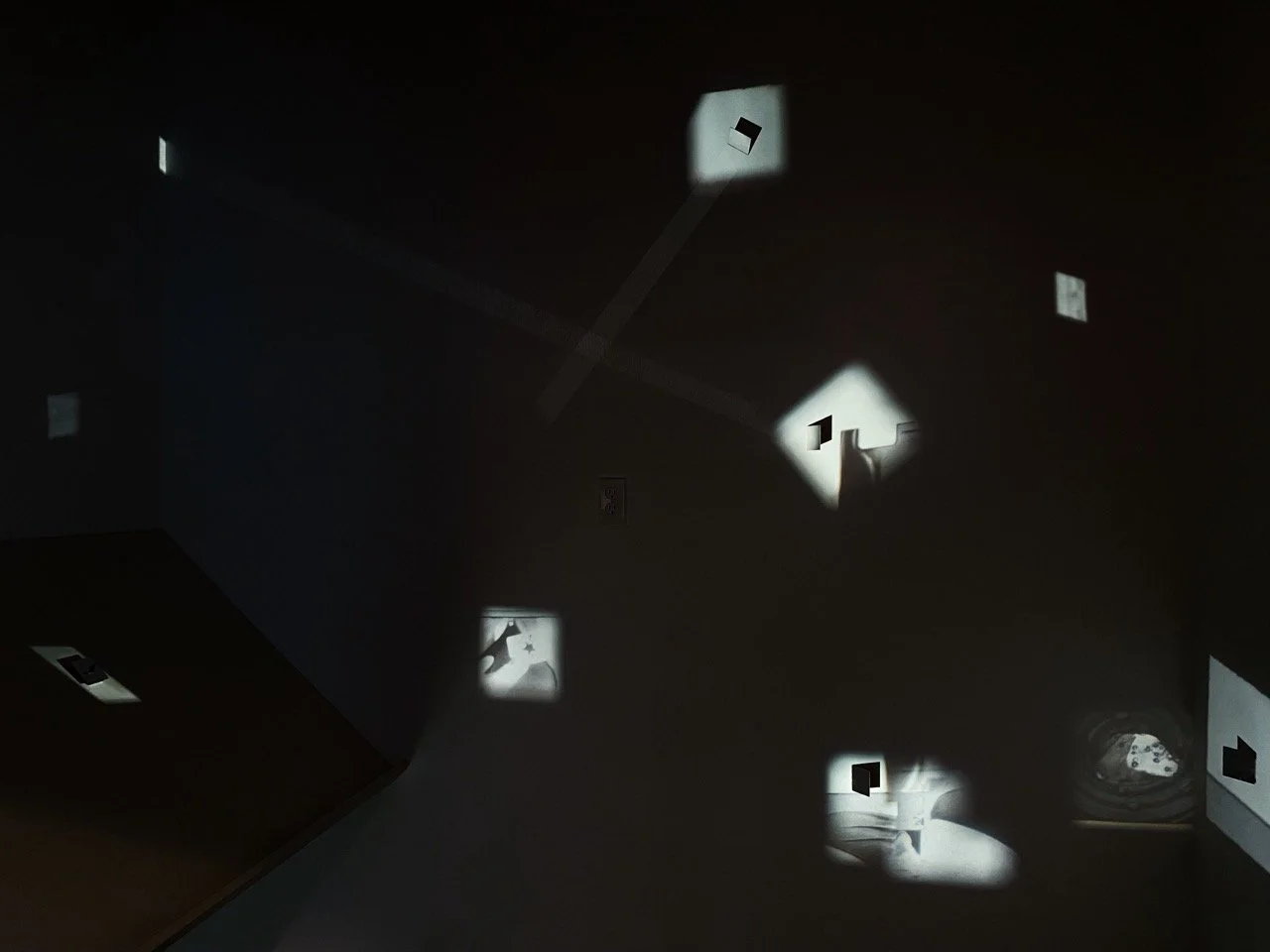
I have always been drawn to exaggerated scale. It invites humor but also a seriousness. Cinema itself is a translation from small to large, where images are in two places at once. But my intention with scale is fairly straightforward: to envelop the viewer and create a physical relationship to the work that encourages them to see something familiar in a new way. I think a lot about the Rothko Chapel where you feel the work around you in 360 degrees, which to me is a type of cinema.
How does color, texture and repetition function in your work?
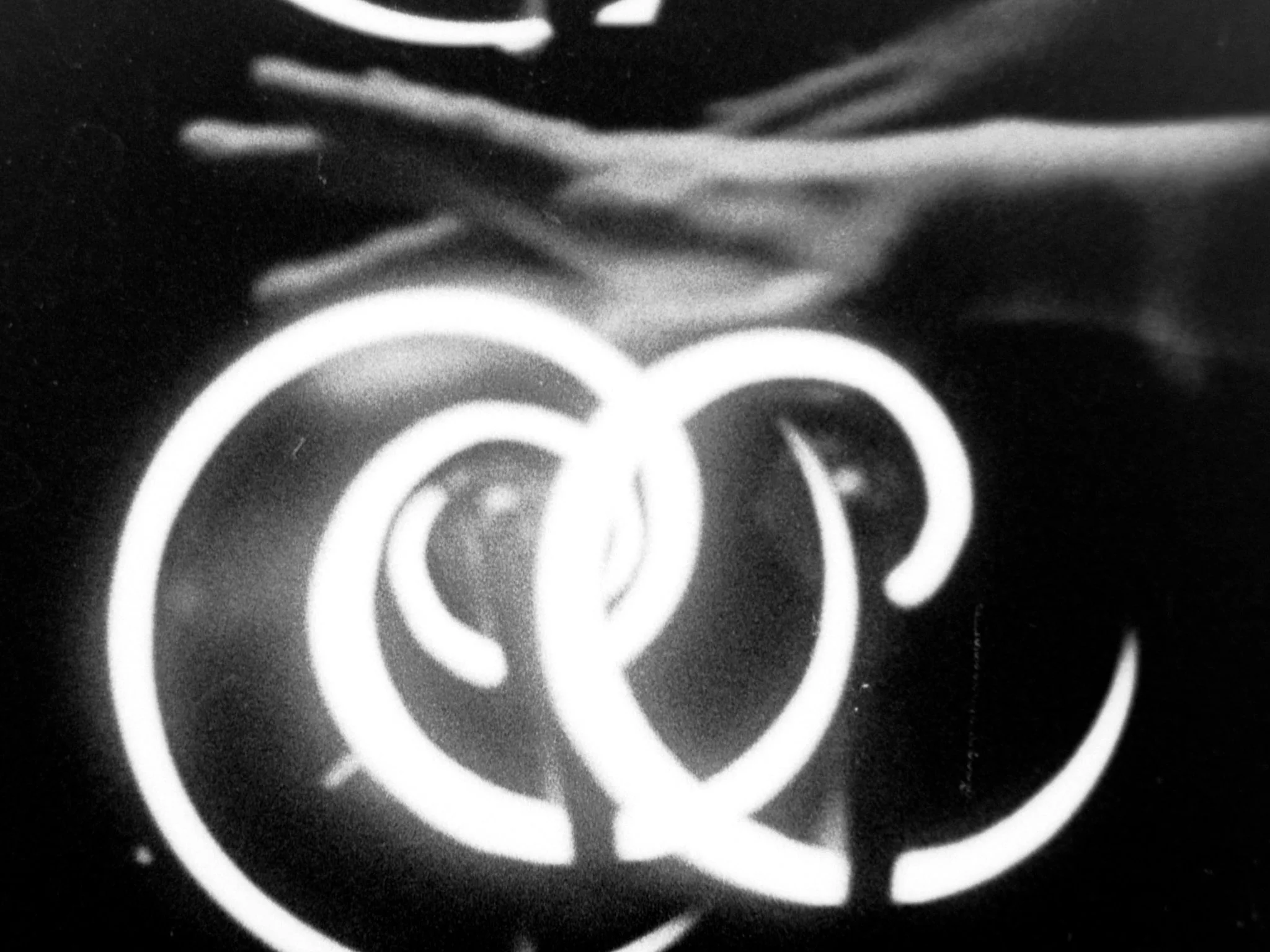
Texture is a major focus in my black and white films. The labor of hand-processing creates really unexpected surfaces that bring my hand into this otherwise mechanical process. I want the mess and I love when the results resemble graphite or charcoal. It’s way more interesting to not intend to do something and embrace what the process gives back to you. It’s collaborative and haptic and cerebral.
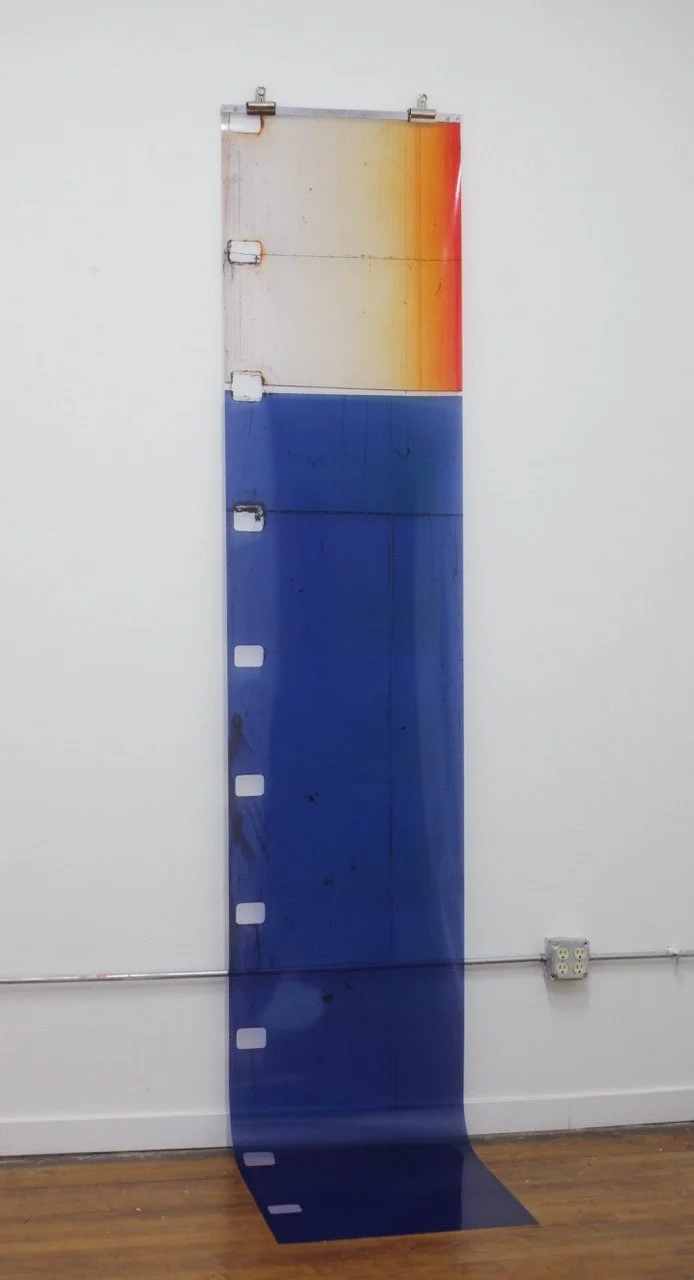
I am working with the same instincts in a new series of prints, but focusing on color and repetition to explore montage in a single visual plane rather than in linear time.
What initially inspired you to do this type of work?
I was formally trained as a painter from a young age and have only been making films seriously for the past five or so years. It’s just instinctual for me to embrace these conceptual overlaps of experimental cinema and fine art and exaggerate one element next to another. Working with film is also acting within a paradox of making that feels like game-play and this is really the crux of my practice.