
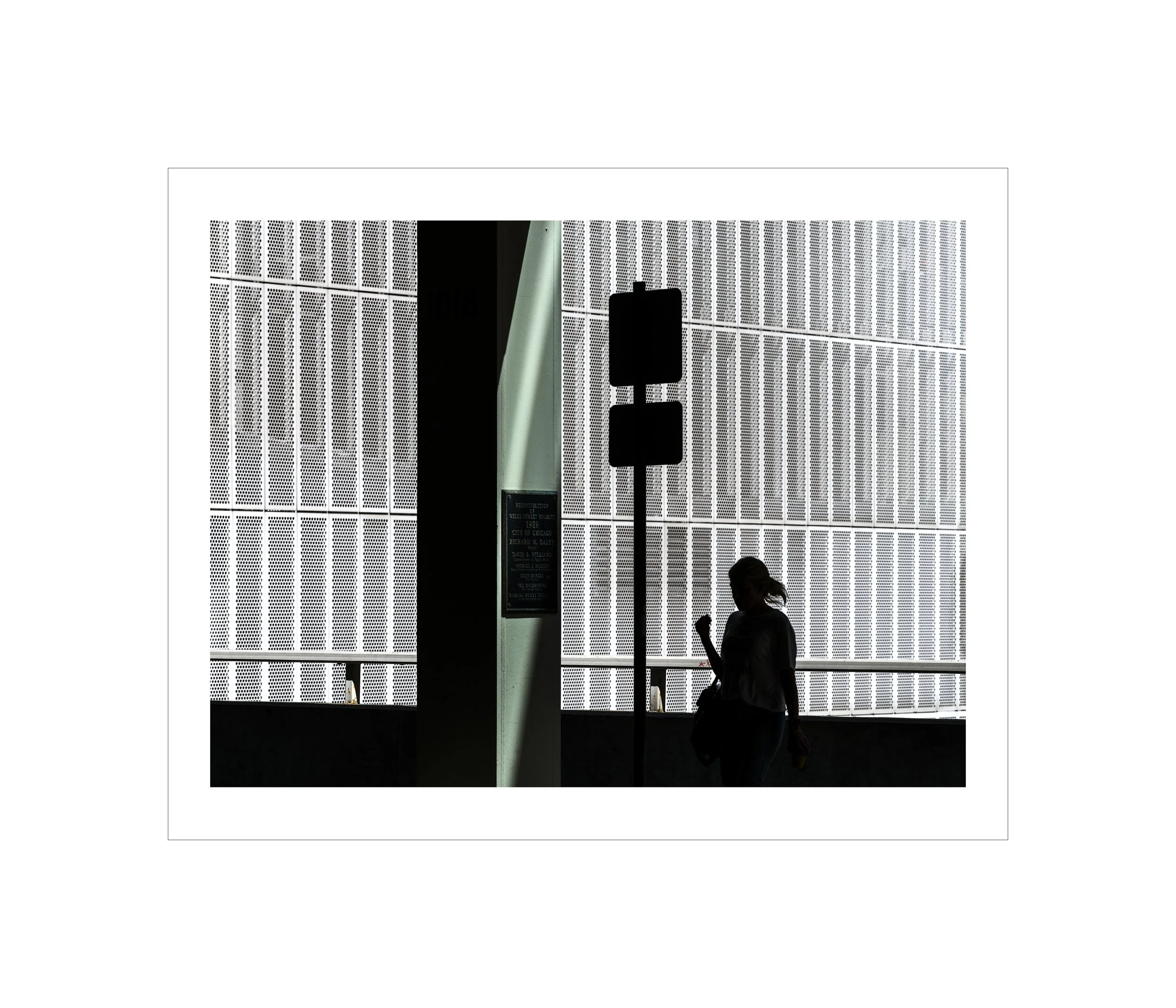
Clarissa Bonet

$100.00

Crossing, 2024

AIR 2016

Inkjet print on paper
8 × 10 Inches

A solitary, shadowy figure crosses the street toward the camera. I have long been fascinated by the anonymous individuals we encounter in the city each day and the mystery of who they are and where they are going. The silhouetted figure has become a recurring motif in my work, reflecting the anonymity, distance, and fleeting encounters of contemporary urban life.

This print is available only from September 17th - December 7th, 2026. After this date, this image will not be made available in this format again.

Crossing, 2024

AIR 2016

Inkjet print on paper
8 × 10 Inches

A solitary, shadowy figure crosses the street toward the camera. I have long been fascinated by the anonymous individuals we encounter in the city each day and the mystery of who they are and where they are going. The silhouetted figure has become a recurring motif in my work, reflecting the anonymity, distance, and fleeting encounters of contemporary urban life.

This print is available only from September 17th - December 7th, 2026. After this date, this image will not be made available in this format again.


Elizabeth Bick

Since relocating from New York City to South Carolina in 2021 as Area Head of Photography and Assistant Professor in the Department of Studio Art at the College of Charleston, I’ve deepened my understanding of the region’s complex role in shaping national identity. South Carolina is not only a symbol of the American South—it’s a landscape where narratives are staged and re-staged. The body of work Carolina (submitted) investigates this terrain through what I call “visual fantasies”: aestheticized expressions of historical memory and performance that persist in the present. Women are central to these performances. They visually narrate American history while embedding complex traditions into contemporary culture. My work focuses on historically gendered practices—antebellum costumes, plantation tours, beauty pageants, Civil War reenactments, and female cadets enrolled at the Citadel Academy. These scenes are not simply nostalgic; they actively shape how the past is remembered, aestheticized, and mythologized. By examining how history is staged through image, gesture, and costume, I hope to raise questions about who gets to perform America—and for whom.

thoughts on the lab

I refined my film archive and learned how to drum scan!